Nicaragua SHG EP Los Andes Kilambé Estate washed Specialty-87p Pörkölt kávé 500g-KV
Flavour: Vanilla, chocolate, citric
| Country of origin: | Nicaragua |
| Region: | La Pavona, Jinotega |
| Type: | Red Catuai, Caturra, Pacamara |
| Process: | Washed |
| Altitude: | 1100-1300m |
| Roast: | Medium light |
Espresso Brewing Guide
| Ground Coffee Dose: | 18g |
| Liquid Espresso Yield: | 38-42g |
| Brew time: | 27–31 sec |
| Temperature: | 92-94°C |
About the region
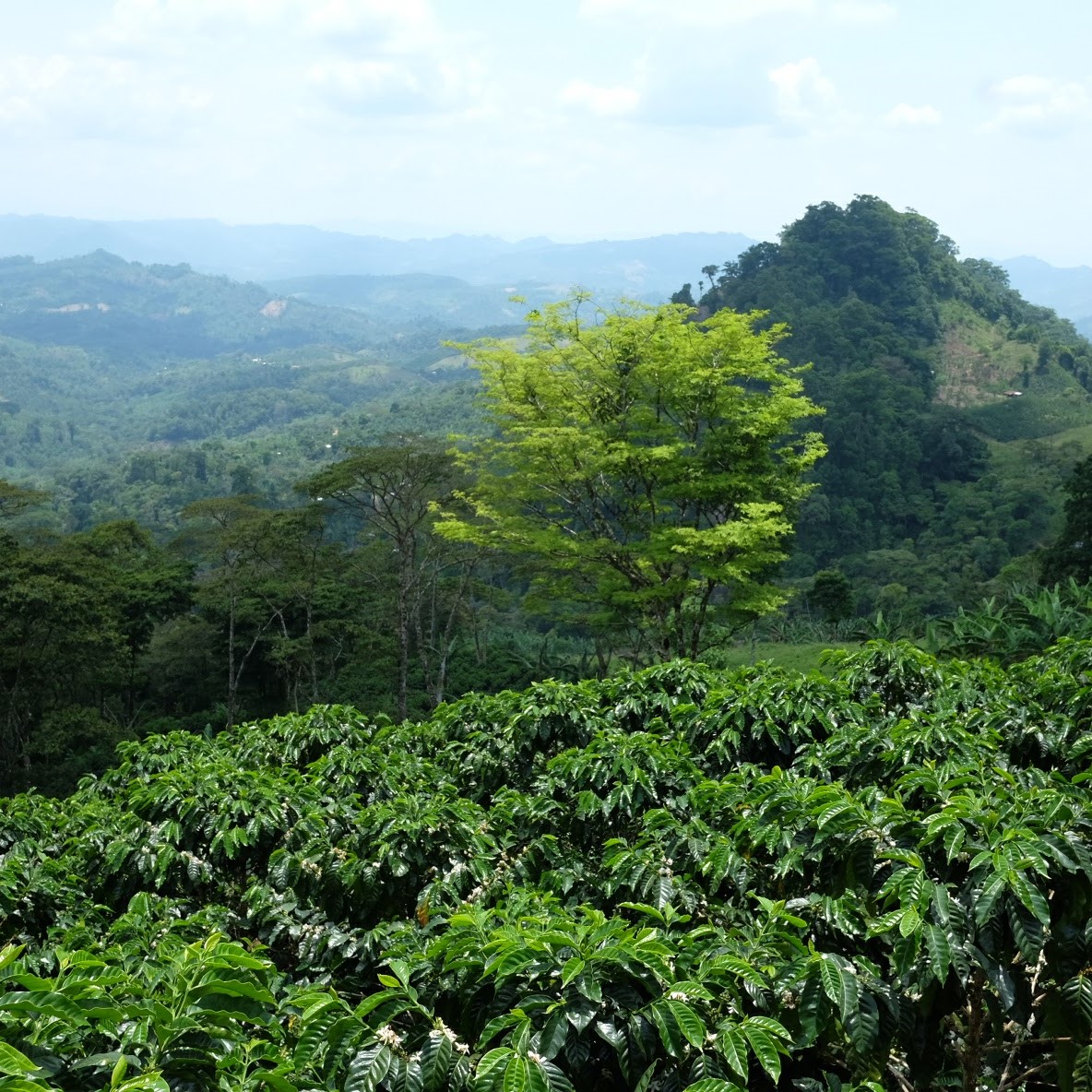
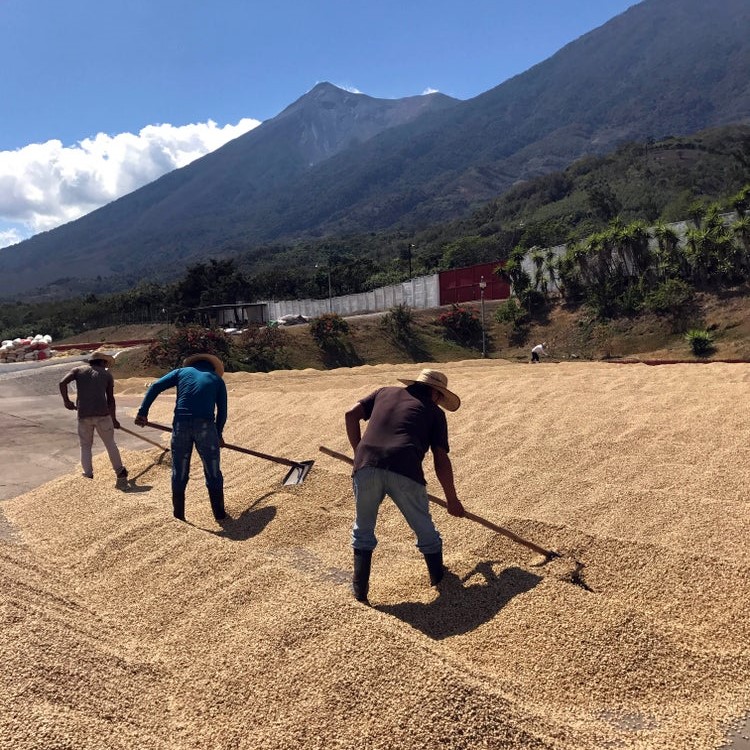
Ulrich Salamun produces first rate coffee on his “Finca Los Andes”, but he confesses that he always refers to it by its regional name as “Finca La Pavona”. The Austrian Ulrich Salamun, who is also known for his comedian group “maschek.”, is growing coffee in Nicaragua since 2003. The coffee is pulped, fermented, washed and pre-dried on the farm, then transported to the family owned Dry Mill, where it is sun dried and – after a period of rest of at least six weeks – hulled and carefully prepared for exportation.
About the coffee
This SHG EP blend is grown by smallholders in Nicaragua. Its fully washed coffee and showcases the Central American profile that’s sweet and nutty with chocolate and citrus.
Strictly High Grown (SHG) specifies the altitude at which the coffee was grown. A coffee must be grown at 1,200 meters above sea level or higher to be considered SHG. The higher altitude and lower temperatures mean that the coffee fruit matures more slowly, creating a denser bean.
EP stands for European Preparation. EP beans are Screen 15+ with a low defect tolerance.
About the processing method
The washed coffee processing method is the most widely used process for specialty coffees. It is known for showcasing the coffee’s true character through a clean, vibrant flavor profile.
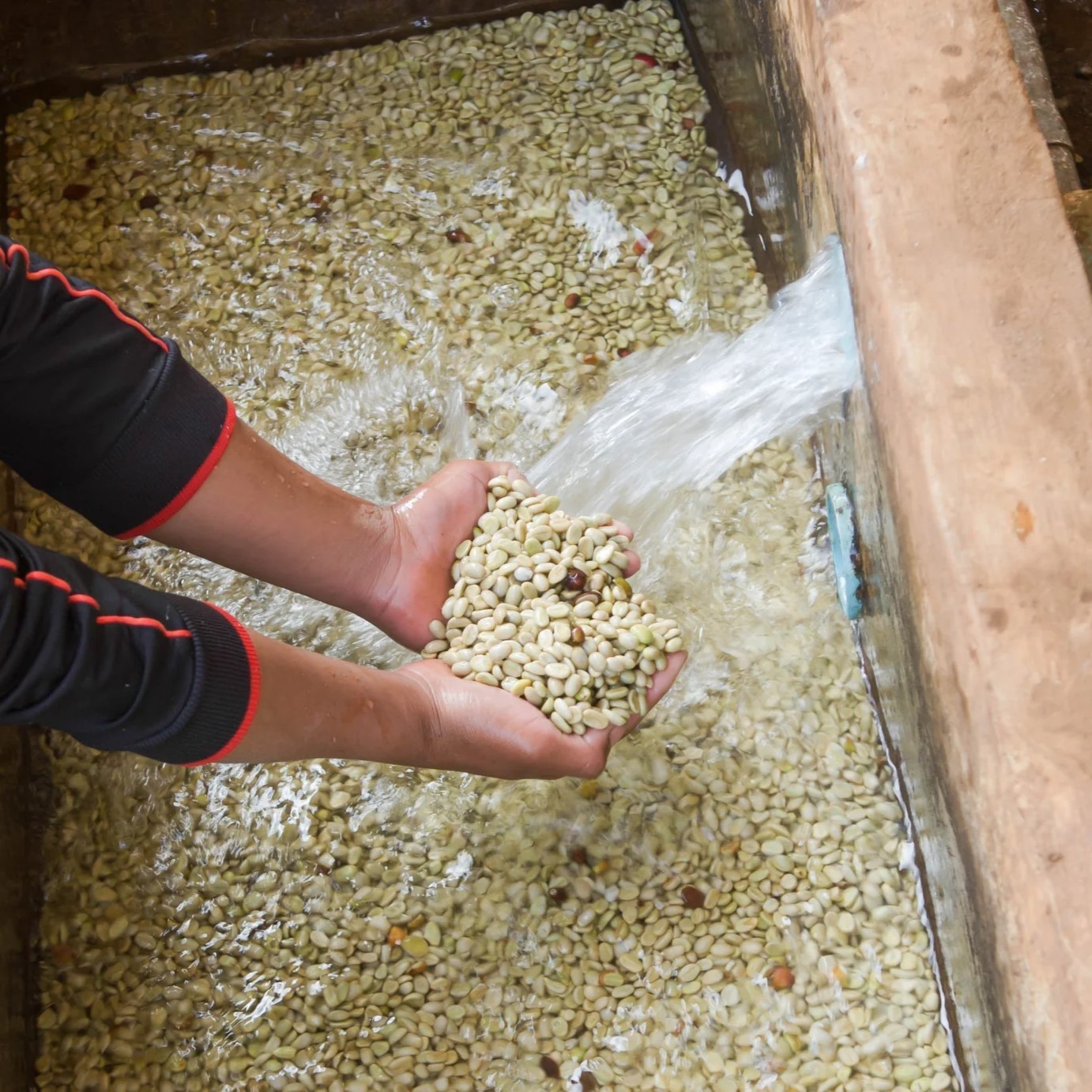
Immediately after harvest, the coffee cherry’s skin and most of the pulp are removed. The coffee beans are then soaked in water, where fermentation breaks down the sticky layer of pulp surrounding the beans. After thorough washing, the coffee beans are dried until they reach the appropriate moisture content.
Since the fruit is removed early in the processing stage, washed coffees better reflect the characteristics of the growing region; this makes them particularly popular for single-origin coffees, where producers want to highlight the terroir—that is, the unique character imparted to the coffee by the growing region’s soil, climate, and elevation above sea level impart to the coffee.