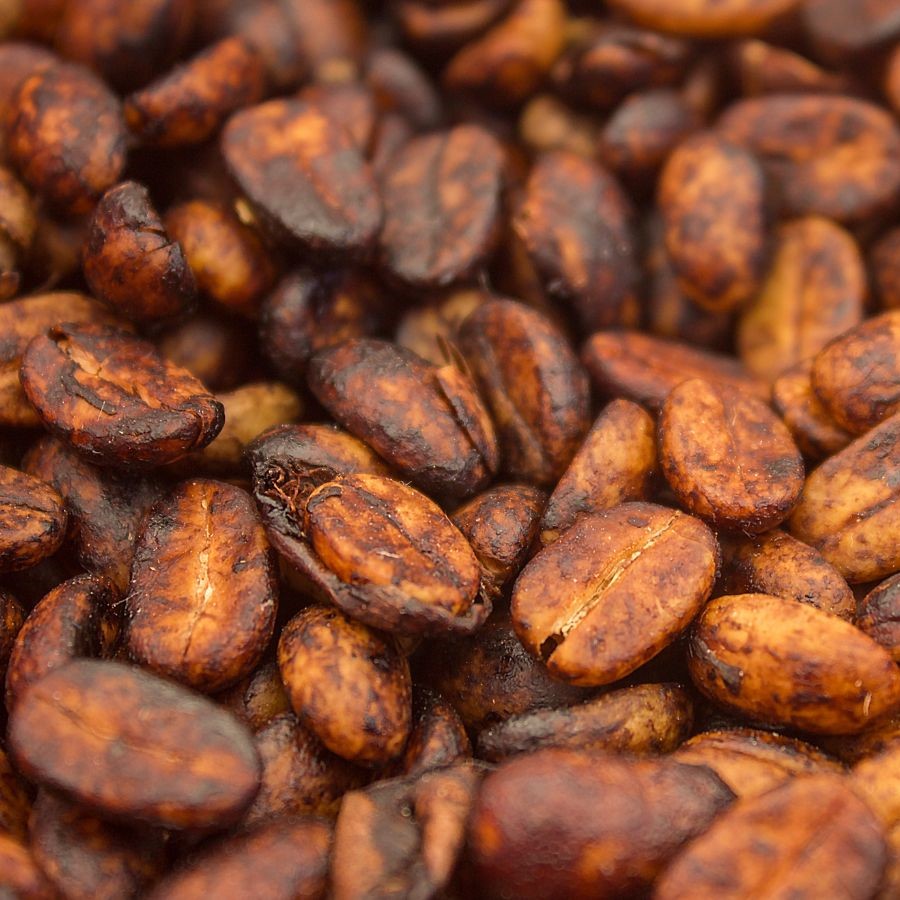
Ethiopia Guji Shakiso honey Specialty-89,5p Pörkölt kávé 125g-V

Cupping notes: Orange, papaya, pineapple
| Country of origin: | Ethiopia |
| Region: | Shakiso, Guji |
| Type: | Heirloom |
| Process: | Honey |
| Altitude: | 1800-2100m |
| Roast: | Light |
Espresso Brewing Guide
| Ground Coffee Dose: | 18g |
| Liquid Espresso Yield: | 40-45g |
| Brew time: | 28–32 sec |
| Temperature: | 93-95°C |
About the region
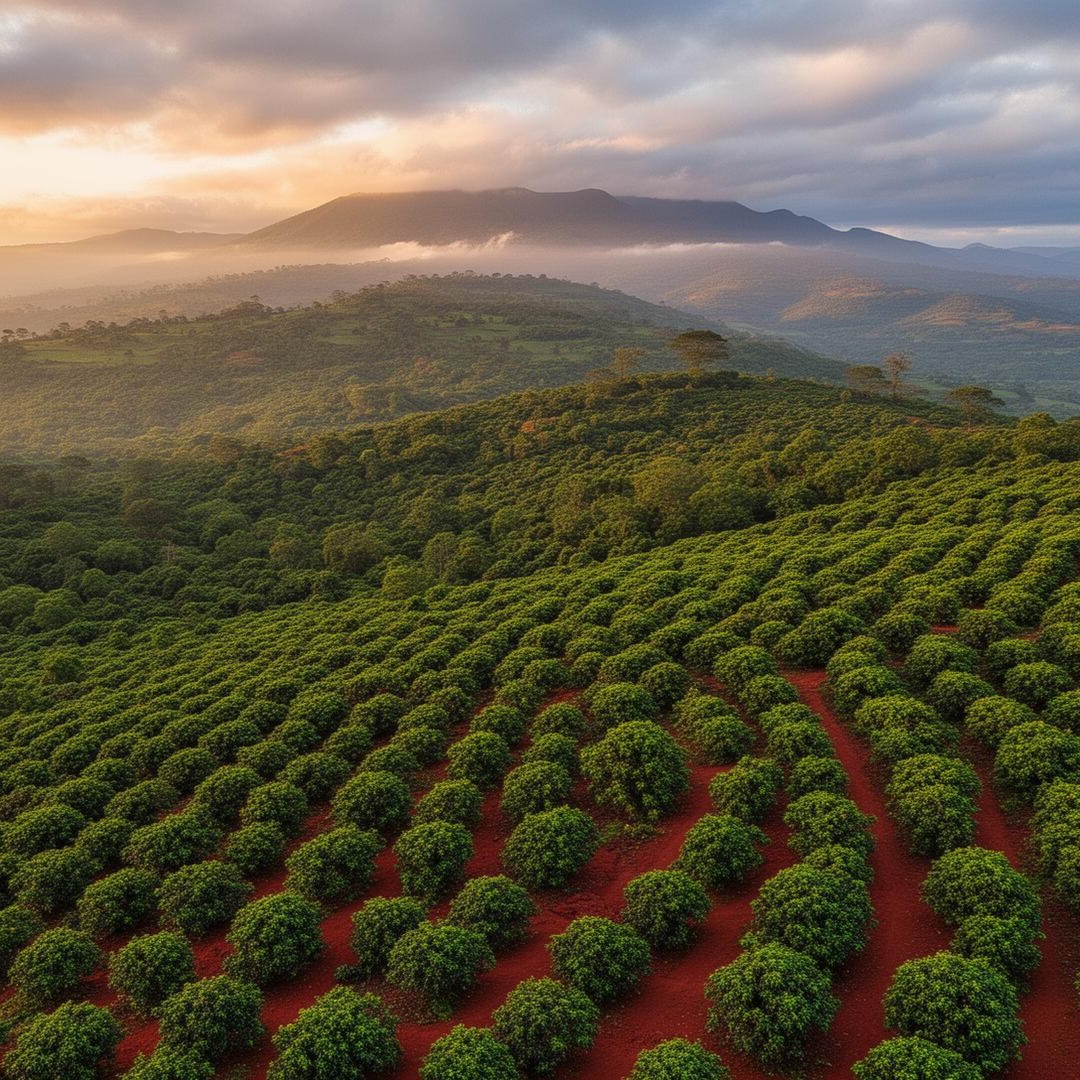
Guji is a high altitude arabica zone in southern Ethiopia's Oromia Region, sitting between 1,800 and 2,350 metres above sea level. The volcanic soil, highland forests, and temperate climate produce exceptional Ethiopian green coffee with complex flavour profiles.
Farming methods in the region remain largely traditional. Guji farmers typically intercrop their coffee plants with other food crops. This method is common among smallholders because it maximizes land use and provides food for their families.
In addition to remaining traditionally intercropped, most farms are also traditional and organic-by-default. Farmers in Guji typically use very few—if any—fertilizers or pesticides. Most farm work is done manually and very few tasks are mechanized, even during processing.
Guji coffee has only recently been distinguished from neighboring Sidamo and Yirgacheffe. However, due to their incredible quality and unique profiles, they are quickly gaining international recognition.
About the coffee
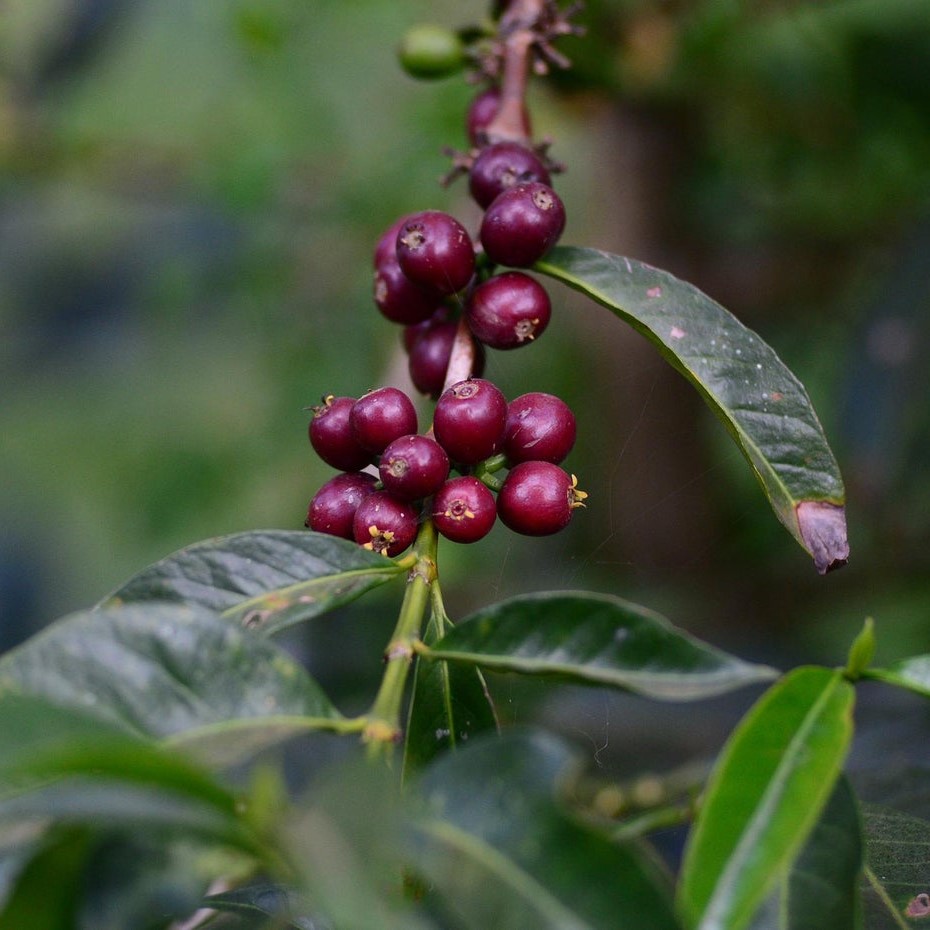
Heirloom coffee is a convenient way to describe Arabica coffee plants whose variety may not be easy to ascertain. The term is of particularly abundant usage in reference to Ethiopian coffees, of which there are thousands of varieties, and where a particular producer’s output may include a broad range of these. When these coffees don’t fall into the easy categories that cultivated coffees in other growing origins do, they have often been grouped into the vague term “heirloom”.
About the processing method
Honey processing is the middle ground between washed and natural, and it’s one of the most exciting methods for flavor experimentation.
After the outer skin of the cherry is removed, a layer of sticky fruit mucilage is intentionally left on the seed as it dries. This “honey” layer ferments slightly during drying, contributing to the coffee’s sweetness and complexity.
Honey-processed coffees are sought after for their balance. They combine some of the fruitiness of naturals with the clarity of washed coffees. They often have a syrupy mouthfeel and a mellow sweetness.