Ethiopia Sidamo Aleta Wondo Roasted Coffee 125g-filter
Cupping notes: Citruses, black tea
| Country of origin: | Ethiopia |
| Region: | Sidamo |
| Type: | Heirloom |
| Process: | Washed |
| Altitude: | 1200-1800m |
| Roast: | Light |
Espresso Brewing Guide
| Ground Coffee Dose: | 18g |
| Liquid Espresso Yield: | 40–45 g |
| Brew time: | 28–32 sec |
| Temperature: | 93–95 °C |
About the region
The Sidamo region of Southern Ethiopia holds the distinction as one of the three trademarked coffee regions in Ethiopia. Alongside Harrar and Yirgacheffe, Sidamo holds a Designation of Origin for coffee grown in the region. That's unsurprising when you consider the high altitudes of 1200 to 2,200 meters above sea level, plentiful rainfall and fertile soil that makes the coffee grown in this region so remarkable.
The Sidamo region is named after the indigenous ethnic group, the Sidama, who call the region their home.
Farming methods in Sidamo remain largely traditional. Sidamo farmers typically intercrop their coffee plants with other food crops. This method is common among smallholders because it maximizes land use and provides food for their families.
In addition to remaining traditionally intercropped, most farms are also traditional and organic-by-default. Farmers in Sidamo typically use very few — if any — fertilizers or pesticides. Most farm work is done manually and very few tasks are mechanized, even during processing.
About the coffee
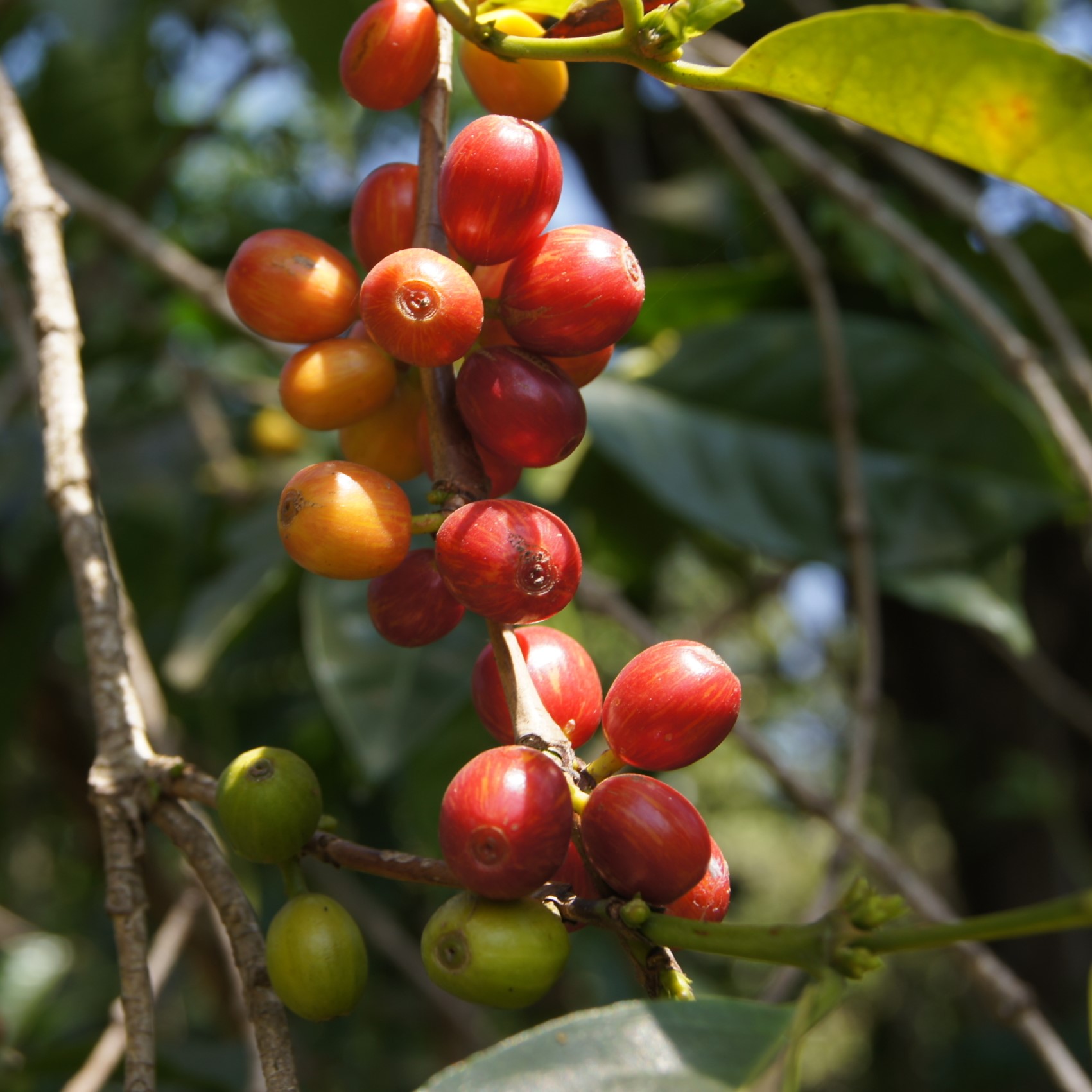
Many would say that the strength of Sidamo coffees lie in the regions’ diversity of profiles. The many microclimates and varying soil types lead to striking differences from town to town. But across all Sidamo coffees is a profound complexity that many attribute to the diversity of local landrace varieties. Varieties can differ from town to town and even farm to farm, where each farmer may have more than one unique variety seldom or never found outside their plot.
When all these different varieties are blended at the local cooperative, the resulting blend expresses the complexity of the plant genetics in the area.
About the processing method
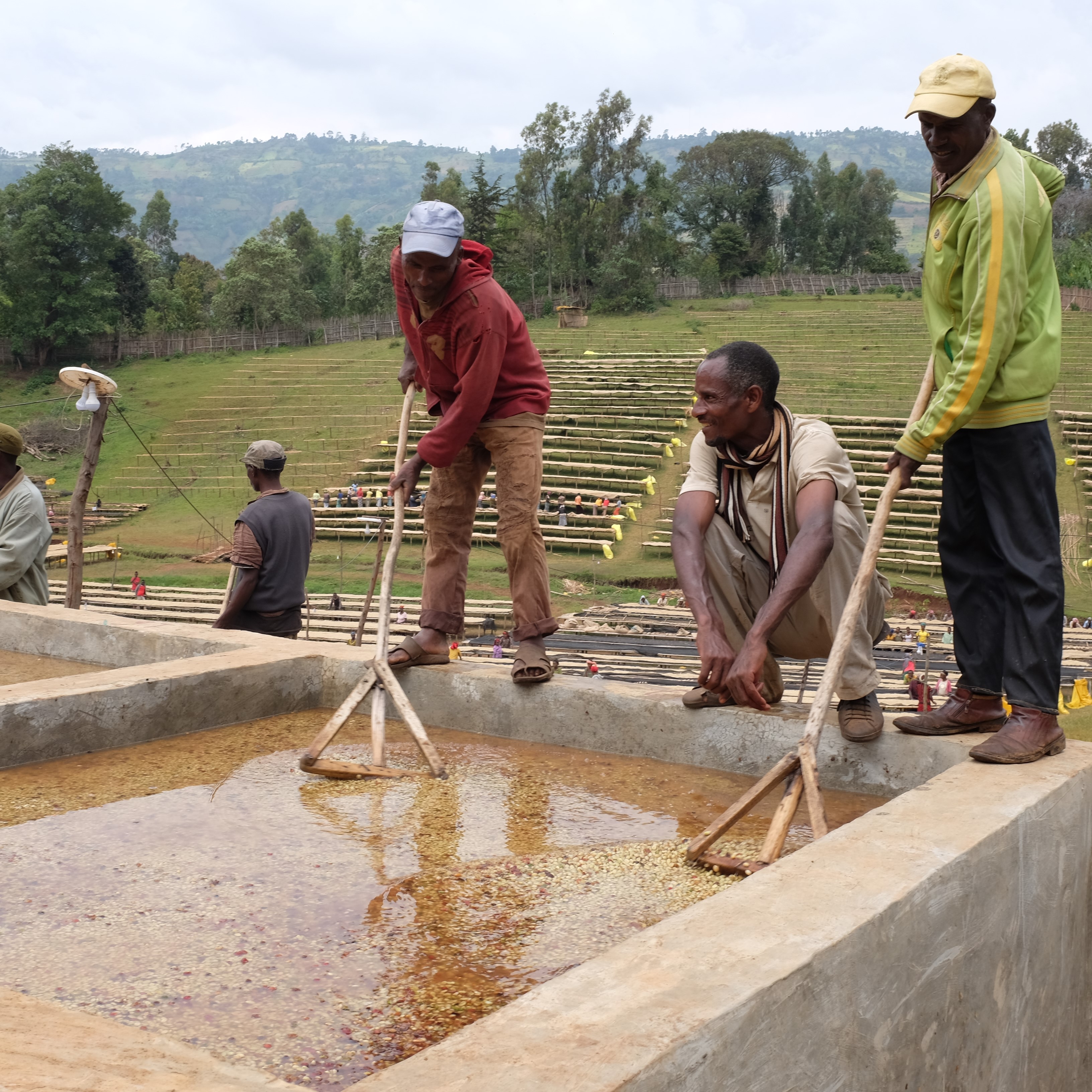
Washed coffee, sometimes referred to as “wet processed,” is the most common method used in specialty coffee. It’s known for showcasing the coffee’s character with a clean, bright flavor.
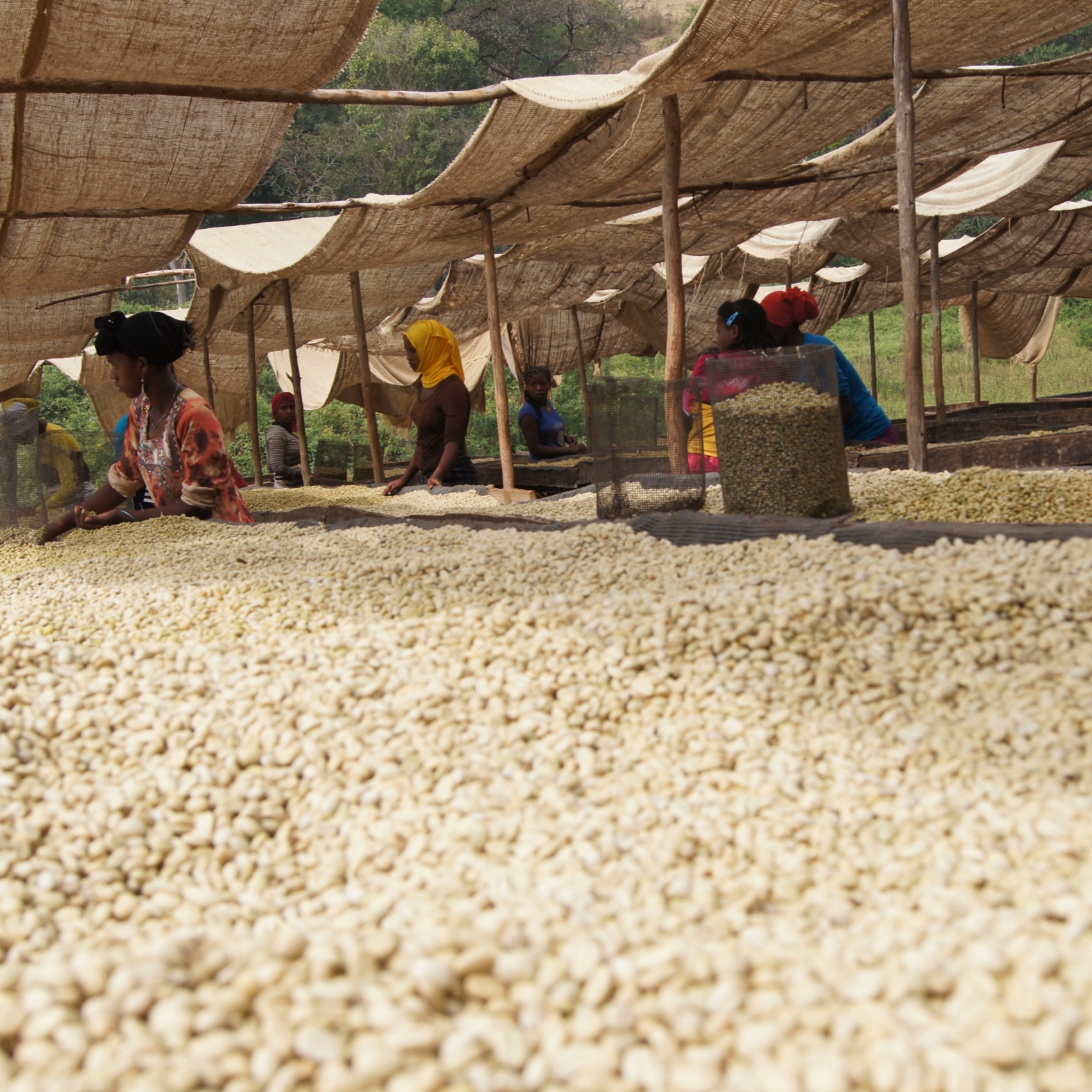
Right after harvest, the skin and most of the fruit are removed. The seeds are then soaked in water, allowing fermentation to break down the sticky mucilage layer surrounding them. After a thorough washing, they’re dried to the perfect moisture level.
By removing the fruit early in the process, washed coffees allow the seed’s origin to shine through. If you’ve ever had a coffee described as “clean” or “bright,” chances are it was washed. This method emphasizes acidity and clarity, making it a go-to choice for single origins where farmers want to highlight terroir, or the unique characteristics of the soil, climate, and elevation where the coffee was grown.